
Apparel
Fast Fashion vs. Slow Fashion: The Pros and Cons of Apparel Choices in 2025
Dive into the debate of Fast Fashion vs. Slow Fashion: The Pros and Cons of Apparel Choices in 2025. Discover how your clothing choices impact the environment and society, and learn why slow fashion may be the sustainable future we need.
Feb 25, 2026
6 min read
Fast Fashion vs. Slow Fashion: The Pros and Cons of Apparel Choices in 2025
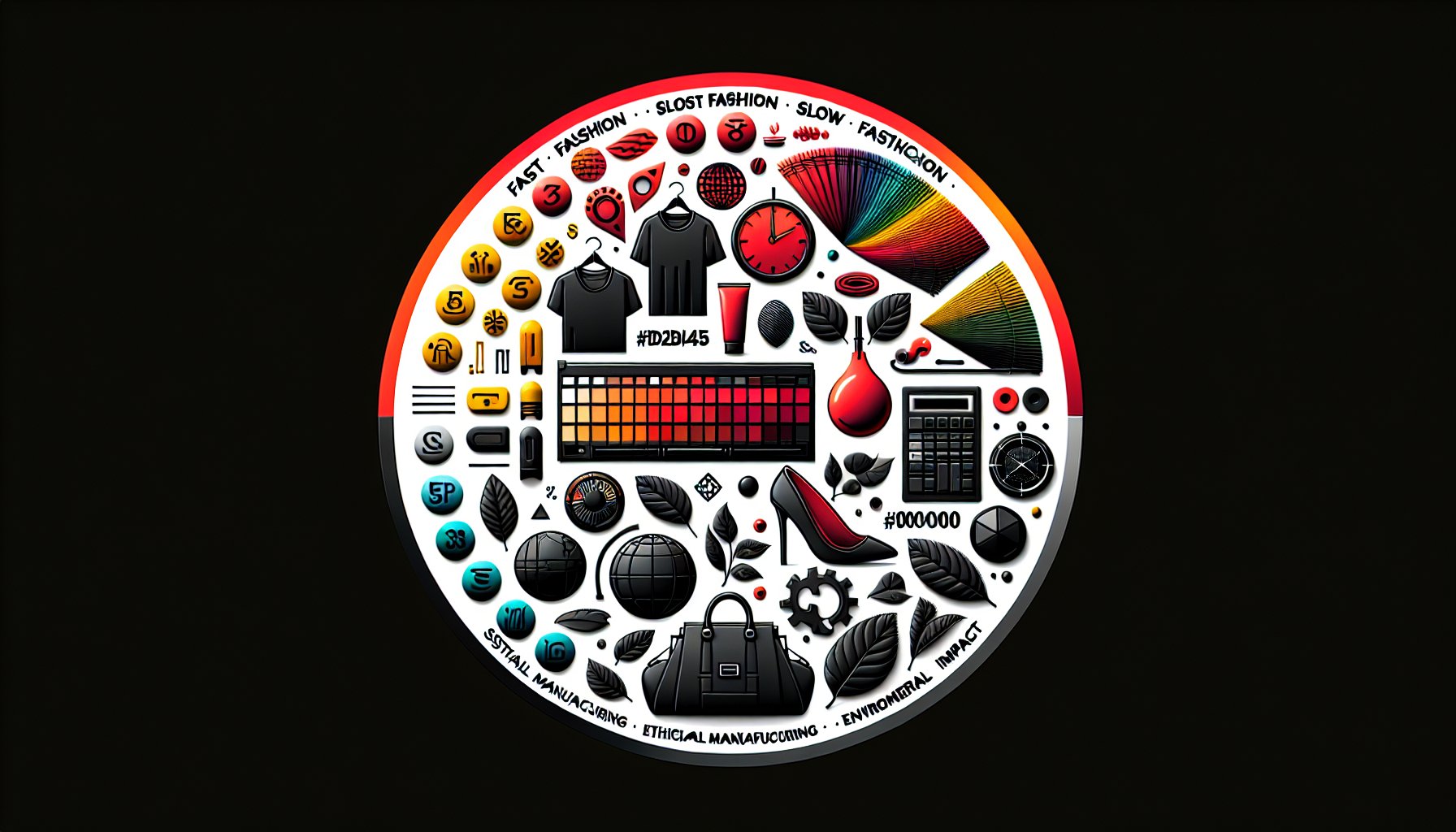
TL;DR: Fast fashion is quick and trendy, but it's a major culprit in environmental damage and poor labor practices. Slow fashion, on the other hand, focuses on sustainability, ethical manufacturing, and quality, albeit at higher upfront costs. As the world becomes more eco-conscious, the fashion choices we make in 2025 have significant implications for our planet and society.
A Tale of Two Fashion Worlds
Picture this: the fashion industry in 2025 is a battleground between two titans, fast fashion, with its whirlwind speed and eye-catching prices, and slow fashion, the champion of sustainability and craftsmanship. While fast fashion giants like Zara, Shein, and H&M transform runway trends into affordable outfits in record time, they also leave behind a trail of environmental chaos and ethical concerns. This is not a new phenomenon; since the 1990s, fast fashion has thrived on instant gratification, enticing customers to buy more and more but keep those clothes for less time.
But let’s not gloss over the reality lurking beneath this superficial allure. Fast fashion is thirsty, literally. It's the second-largest water consumer globally and responsible for 10% of humanity’s carbon emissions, surpassing even the aviation and maritime industries. So, while consumers might enjoy a seemingly endless wardrobe, the planet pays a hefty price.
Now shift your gaze to slow fashion, where the story is different. Here, the focus is on intentionality, sustainability, and treating fashion like an art form. Brands in this lane are crafting well-made pieces that might cost more upfront but last longer and make a statement about values, not just style. Imagine a brand using organic cotton and engaging artisans in fair trade practices, each garment a testament to quality and ethical production. Slow fashion advocates argue that investing in these pieces supports a culture that places longevity over instant trends.
Threading the Needle
Fashion is more than fabric draped over our bodies, it's an expression of culture, ethics, and responsibility. The fast fashion whirlwind gives us the illusion of choice and abundance, while slow fashion invites us to forge a lasting relationship with our clothes and the stories they tell. It's a contrast as stark as fast food versus a gourmet meal, with implications that stretch far beyond the wardrobe and into the very future we wish to build.
The Speed of Change: Fast Fashion's Whirlwind Impact
The fast fashion treadmill spins faster with each passing year, its speed celebrated for affordability but condemned for ecological negligence. It caters to a culture obsessed with the latest styles, yet it bears a heavy environmental burden that can't be kept under wraps. The industry churns out over 100 billion garments annually, many destined for landfills after just seven uses, a cycle of waste that reflects a deeper societal challenge.
A Stitch in Time Saves Nine: The Appeal of Slow Fashion
In the face of fast fashion's blitzkrieg, slow fashion offers a slower, thoughtful path, encouraging us to cherish what we wear. It's about understanding the human and environmental cost in every seam and choosing quality that endures. Buying a piece of slow fashion is like sipping a fine wine, savoring its depth and story. As the saying goes, "a stitch in time saves nine," suggesting that mindful choices now can lead to sustainable benefits later.
Comfort in the Closet: The Financial Implications
The financial narrative of fashion is as tangled as any hand-knitted sweater. Fast fashion seduces with its low prices but conceals costs that accrue over time, environmentally and socially. Meanwhile, slow fashion asks for a higher initial investment, but one that pays dividends in durability and ethical assurance. It's a tale of two economies: one driven by ephemeral trends, the other by conscious choices that resonate with a growing demographic.
The Fabric of Society: Environmental Footprints
Beyond mere aesthetics, fashion choices leave indelible marks on the planet. Fast fashion’s environmental impacts, such as water waste and carbon emissions, are turning consumerism into a climatic villain. Slow fashion aims to rewrite this narrative, advocating for a future where clothing respects the earth and its resources.
The Human Cost: Labor Practices Unraveled
The true cost of fast fashion extends beyond environmental damage. It heavily impacts those who labor in unsafe conditions for meager wages. In contrast, slow fashion promotes equitable labor practices, advocating a model where workers are valued, not exploited, a garment's story should be one of dignity and fairness.
Fabric Revolution
Amid these heavy narratives, innovation offers a light. As brands innovate with sustainable fabrics and transparent practices, the call to the garment industry is clear: blend fast's accessibility with slow's ethics. Companies are recognizing that conscience and commerce can coexist, pointing to a future where style and sustainability meet.
Dressing for Tomorrow
As we march toward 2025, the choices in our wardrobes echo louder than ever. The fashion landscape is shifting as more individuals recognize the power of their purchases. It’s not just about what’s in vogue, but what legacy we want to create. The decision to embrace slow fashion isn't merely a style statement; it's an investment in a sustainable future.
Crafting a New Narrative: The Role of Influencers and Media
In this fashion evolution, influencers and media are not passive players; they are reshaping the narrative, turning fleeting trends into lasting mindful choices. Through platforms like Instagram and TikTok, they champion slow fashion, urging followers to ponder the true cost of clothing. As consumers become more aware, brands that align with ethical practices gain ground, signaling a conscious shift in consumer behavior.
The Fabric of the Future: A Harmonious Approach?
In the end, the future of fashion need not choose between speed and sustainability, it can harmonize the two. By integrating the best of both worlds, we can create an industry that’s as innovative as it is responsible. The challenge is educating consumers and reshaping an industry so that what's fast today doesn't have to be disposable tomorrow. Let’s stitch a future where fashion respects both the planet and the people who dwell upon it.
 218 Expressway Ct

Need Help?
Check out these related products that can help:
Other Articles You Will Like
Apparel
The Future of Athleisure: 2025 Trends for Performance and Style
Discover how the future of athleisure in 2025 blends performance, style, and sustainability. Explore trends that redefine fashion, from smart textiles to inclusivity, making athleisure a staple of modern life.
Mar 02, 2026
Read More
Apparel
Color Psychology in Apparel: Trending Palettes for 2025
Discover how color psychology shapes apparel trends for 2025. Explore biophilic hues and digital pastels that reflect our emotional landscapes and societal shifts. Embrace the vibrant palettes that resonate with authenticity and connection in fashion.
Mar 01, 2026
Read More
Apparel
Inclusivity in Apparel: Trends Shaping 2025's Fashion Landscape
Discover how inclusivity is revolutionizing fashion by 2025. From adaptive designs to sustainable practices, explore the trends that are reshaping the industry and empowering diverse identities. Join the movement for a more inclusive and eco-conscious wardrobe!
Feb 28, 2026
Read More
Apparel
2025 Apparel Trends: What to Expect in Sustainable Fashion
Discover the 2025 Apparel Trends: What to Expect in Sustainable Fashion. Learn how brands are embracing eco-friendly practices, innovative materials, and consumer demands to shape a more sustainable future in the fashion industry.
Feb 28, 2026
Read More
Apparel
Navigating the 2025 Apparel Supply Chain: Challenges and Solutions
Explore the pressing challenges and innovative solutions in 'Navigating the 2025 Apparel Supply Chain'. Discover how sustainability, technology, and collaboration are reshaping the future of fashion. Are brands ready to adapt and thrive?
Feb 27, 2026
Read More