
Bags
How to Choose a Bag for Your Next Hiking Adventure?
Discover how to choose a bag for your next hiking adventure! Learn about pack sizes, comfort, materials, and essential features to ensure your journey is enjoyable and safe. Elevate your hiking experience with the right backpack tailored to your needs.
Mar 17, 2026
8 min read
How to Choose a Bag for Your Next Hiking Adventure
TL;DR
Choosing the right hiking bag is more than just a technical decision; it's a reflection of your hiking style, comfort needs, and personal adventure goals. Consider your trip's length and terrain to decide on pack size, understand the importance of fitting and functional features, and factor in the material's durability. Personalize your gear to express your individuality, and remember to prioritize safety by packing essential items like navigational tools and first-aid kits. Finally, embrace sustainability through mindful purchase and maintenance practices to ensure your adventures leave a positive legacy on our planet.
1. The Trek Begins: Understanding Your Hiking Needs
Before you lace up those boots and march out into the wilderness, let's pause for a moment of introspection. Hiking isn't just about conquering peaks or strolling through picturesque valleys; it's about knowing yourself and picking a backpack that feels like an extension of your adventurous spirit. Imagine yourself as a seasoned explorer or a curious novice, each with different needs and aspirations on the trail.
Are you planning a quick jaunt up a local hill or gearing up for a grand, multi-day escapade? Answering these questions helps determine the right backpack size, ensuring your gear matches your goals. A compact 40- to 50-liter pack is perfect for a night under the stars, while a week-long trek demands something more substantial, think 75 to 90 liters to house your sleeping bag, tent, and wardrobe changes for nature's mood swings.
Your pack's volume matters, but don't overlook the importance of comfort. Imagine lugging around a pack that fits poorly, leading to frustration and sore shoulders. Consider a suspension system with shoulder straps and hip belts that cater to your body's dimensions. A good fit means less fatigue and a more enjoyable hike.
As you embark on this journey of self-discovery and gear hunting, remember: the right backpack can make your hike as rewarding as the views and experiences waiting beyond each bend.
2. The Anatomy of a Hiking Bag
Your backpack is more than a sack for your stuff. It's a meticulously engineered system that cradles your gear, supports your trek, and enhances (or derails) your hiking experience. Imagine it as a symphony of fabric, compartments, and suspension components working in harmony.
Let’s talk suspension systems. Padded shoulder straps, hip belts, and a breathable back panel mean the difference between delight and discomfort on a steep ascent to an Appalachian vista. Trust me, I learned this the hard way on a recent trek, my shoulders owe a lot to a well-padded hip belt. This ensemble shifts the load from shoulders to hips, ensuring you walk on air, not agony.
Consider the bag's volume alongside its fabric strength. Many modern packs feature ripstop nylon or polyester, lightweight yet ready for the rugged trail life. In a Cascade Mountains deluge, my pack's water-resistant coating was a game changer, keeping my gear dry while fellow hikers weren’t so lucky. And don't underestimate pockets; easy access to snacks or maps can save precious time and sanity during your adventure.
Ultimately, selecting a hiking bag isn't just about storage, it's about fitting your journey, physically and metaphorically. Take your time, explore your options, and choose a pack that feels like a natural extension of your own adventurous soul.
3. Choosing Your Adventure: Terrain and Duration
Choosing the right backpack goes beyond its physical features; it’s about aligning with the adventure you envision. Are you tackling rugged mountain paths or leisurely park trails? Each demands different gear, impacting your backpack choice and overall hiking joy.
If you're conquering steep ascents, a robust frame and sturdy harness will be your allies, allowing you to carry essential gear without feeling bogged down. For a casual day hike, a lighter daypack will suffice, ensuring your energy is spent admiring the scenery, not managing a cumbersome load.
Now, let's consider duration. An overnight adventure requires a 40 to 50-liter pack, while a week-long trek calls for 75 to 90 liters. More gear means more comfort, and possibly less sanity when digging through your pack for a single item, so choose wisely.
Let terrain and trip length guide your choice. With the right backpack, you’re not just embarking on a hike; you're setting the stage for a memorable adventure tailor-made for you.
4. The Great Debate: Daypacks vs. Multi-Day Packs
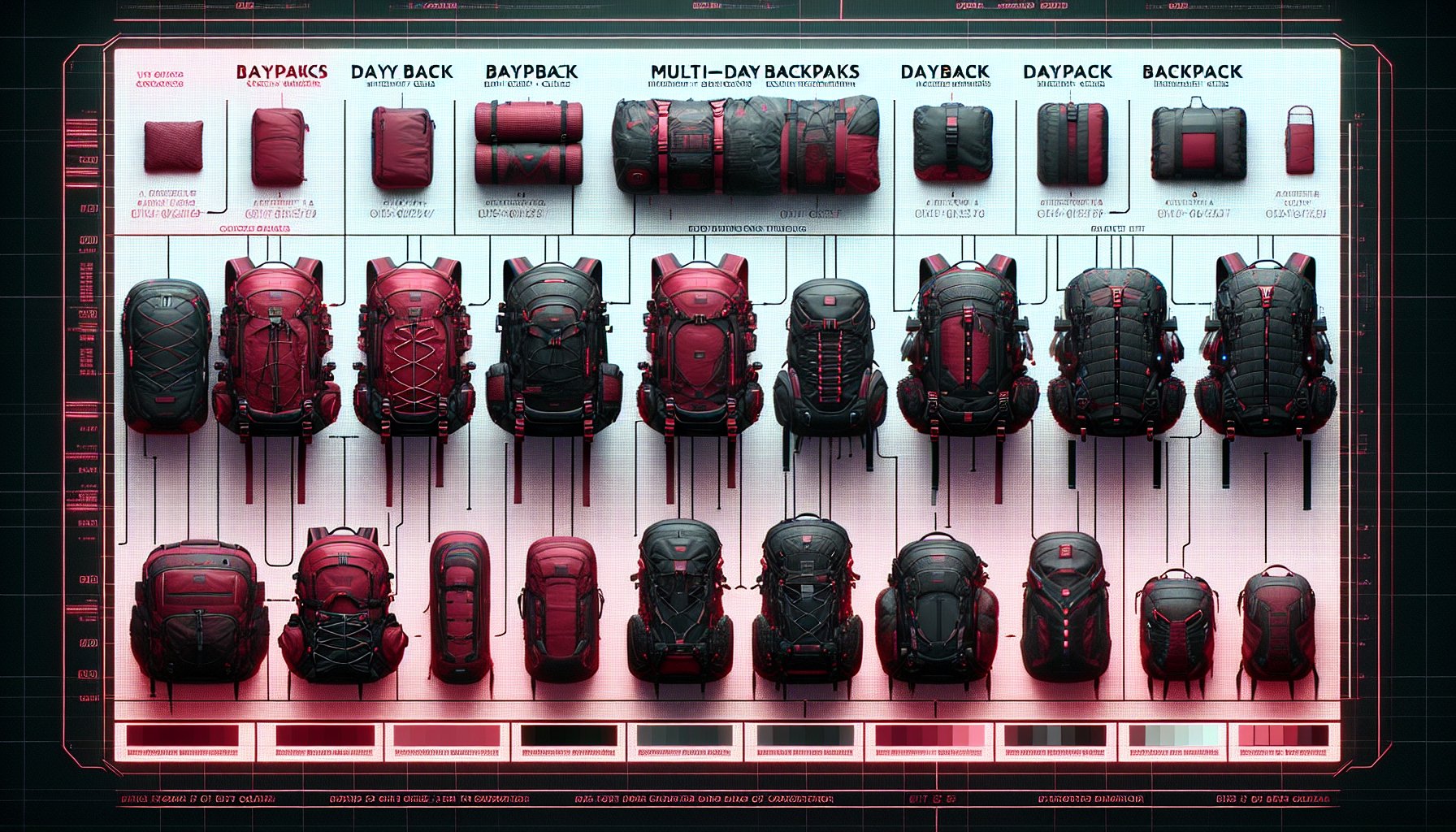
Ah, the classic debate: daypacks versus multi-day packs. This isn't just about size; it's about your hiking philosophy. Are you the spontaneous day adventurer or the meticulous long-hauler?
Daypacks, typically 40 to 50 liters, are perfect for short, spontaneous outings. They let you carry essentials, water, snacks, a lightweight jacket, without weighing you down. Multi-day packs, however, are the pack mules of the hiking world, crafted for extended journeys with volumes soaring over 75 liters.
Choosing a style isn't just about what you carry; it's about how you engage with the wilderness. Your backpack becomes a partner in your adventure, whether you're conquering a summit with a light load or immersing yourself in the wild for weeks.
5. Material Matters: Understanding the Fabric Game
Ever thought about what your pack is made of? Fabrics like nylon and polyester play a starring role in your pack's durability and weight. Each brings unique strengths to the trail, helping your backpack endure whatever conditions nature throws your way.
Nylon is the tough, durable option, ready for rough trails and harsh weather. But be wary, higher denier ratings mean more weight. Polyester, lighter and UV-resistant, is a budget-friendly choice that's perfect for sunny treks.
For the truly intrepid, there's Dyneema: ultra-strong, superlight, and perfect for long-distance hikes. And don’t forget waterproof fabrics; in a Scottish Highland downpour, my waterproof bag was the one thing between my gear and a soggy, uncomfortable hike.
Understanding fabric properties ensures comfort and safety as you navigate the great outdoors, so choose wisely.
6. Packing Smart: Organization Techniques for the Journey
Picture this: you're halfway up a mountain, and the item you need is buried deep in your bag. Packing smart is essential for maintaining your rhythm on the trail, turning potential chaos into streamlined efficiency.
Strategically use every pocket, and organize gear by weight and frequency of use. Heavier items should sit at the bottom to balance your load, while lighter essentials are easily accessible at the top. Color-coded stuff sacks can save time by quickly identifying what you need, like finding a granola bar in a sea of gear.
Remember, multi-functional gear and backpacks with modular components maximize space and adaptability. Smart packing isn't just about saving time, it's about enhancing every step of your journey through nature.
7. Safety First: Equipping for the Unexpected
Safety isn’t just a checklist item; it’s a mindset every adventurer should embrace. Your backpack is essential, but it’s the gear inside that can make or break your trip.
A first-aid kit is the unsung hero, turning potential disasters into minor inconveniences. Navigation tools, map and compass, are critical, especially where GPS might fail. And don’t forget your clothing; layers that adapt to changing conditions ensure comfort and protection.
Safety gear isn't just for emergencies; it's a key part of your adventure. Equip yourself wisely, and you'll face the unexpected with confidence and resilience.
8. Personalization: Making Your Bag Uniquely Yours
Your backpack should be more than functional; it should be a reflection of you. Personalize it with patches, badges, or custom organizational features that enhance your hiking experience.
Consider functionality: built-in hydration systems or modular attachments for flexibility. And remember, comfort is personal; a well-fitted pack tailored to your body will transform your hike from chore to pleasure.
Make your backpack a canvas of your adventures, a testament to your unique hiking journey.
9. Test Drive: Finding the Perfect Fit
Backpacks aren't a one-size-fits-all. Finding the right fit ensures comfort and stability on the trail. Understand shoulder straps, hip belts, and volume to choose a pack that suits your frame and style.
Try on packs with weight, simulate hiking movements, and consider a short test hike. The right pack isn't just gear; it's a partner in your adventure, enhancing every step.
10. The Trail Ahead: Long-Term Care & Sustainable Choices
Choosing a backpack is a commitment to sustainability and environmental stewardship. Opt for durable, eco-friendly materials, and maintain your gear to reduce waste and extend its life.
Embrace quality over quantity, and choose brands that value sustainability. Your choice today shapes the landscapes of tomorrow, ensuring your adventures leave only a positive footprint.
 218 Expressway Ct

Need Help?
Check out these related products that can help:
Other Articles You Will Like

Bags
The Future of Bags: Analyzing 2025's Market Trends and Consumer Preferences
Discover how the future of bags is shaped by sustainability, functionality, and personalization. Explore 2025's market trends and consumer preferences in our in-depth analysis of 'The Future of Bags: Analyzing 2025's Market Trends and Consumer Preferences'.
Mar 17, 2026
Read More
Bags
6 Innovative Tech Bags for the Modern Commuter in 2025
Explore the future of commuting with our top picks for 2025! From solar-powered charging to stylish designs, these 6 innovative tech bags redefine convenience and security for the modern commuter. Elevate your daily journey today!
Mar 14, 2026
Read More


Bags
The Ultimate Guide to Eco-Friendly Bags: Sustainable Choices for 2025
Discover the transformative power of eco-friendly bags in our ultimate guide. Learn how sustainable choices can reshape consumer habits and protect our planet as we approach 2025. Join the movement for a greener future today!
Feb 10, 2026
Read More


Bags
Ultimate Comparison: Tote Bags vs. Crossbody Bags in 2025
Discover the ultimate comparison between tote bags and crossbody bags in 2025. Explore their unique features, sustainability, and how they reflect your lifestyle choices. Make an informed decision on your next bag purchase!
Feb 07, 2026
Read More

Bags
Luxury vs. Affordability: Finding the Best Bags for Your Budget in 2025
Explore the evolving landscape of bags in 2025 where luxury meets affordability. Discover the Vessel Lux Stand, a stylish yet practical choice that redefines value without compromising on quality or aesthetics.
Feb 06, 2026
Read More