

Bags
The Rise of Sustainable Bags: What You Need to Know in 2025
Discover the transformative journey of sustainable bags in 2025. From eco-friendly materials to changing consumer behaviors, learn how businesses and legislation are adapting to meet the demand for greener choices. Join the movement towards a sustainable future!
Jan 25, 2026
5 min read
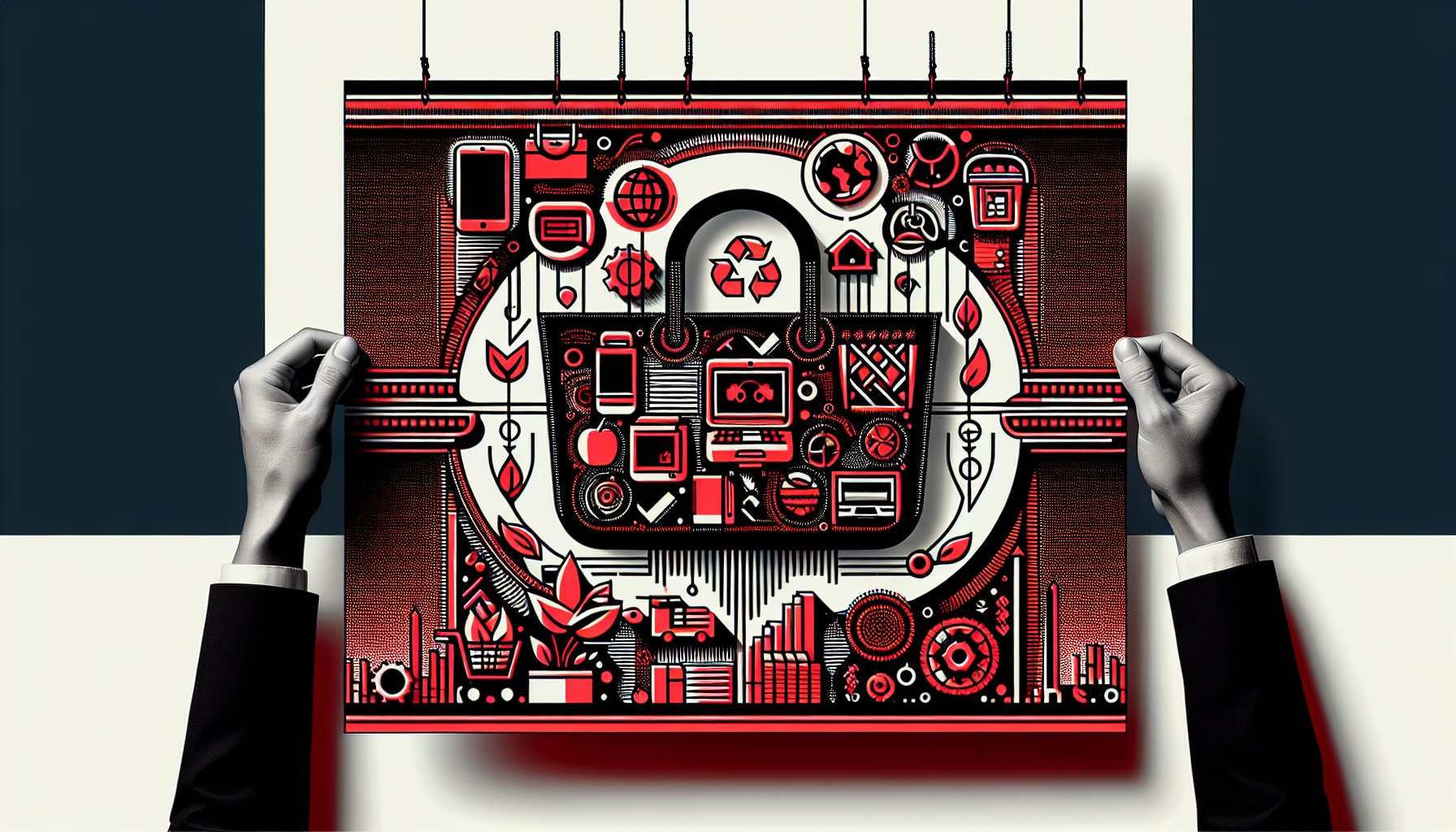
The Rise of Sustainable Bags: What You Need to Know in 2025
TL;DR
Plastic bags were once the darling of consumers due to their convenience, but their environmental cost has driven a new wave of sustainable bag alternatives. In 2025, consumers are increasingly demanding eco-friendly options, and businesses, along with legislation, are following suit. From legislative changes and advancements in materials to shifts in consumer psychology and digital market adaptations, the world of bags is undergoing a sustainability revolution. Integrated Business Solutions leads by example, demonstrating how corporate responsibility and innovation can drive change. Yet, the journey doesn’t stop at bags, it’s about embedding sustainability into our everyday choices, one eco-friendly tote at a time.
The Bag Evolution: From Convenience to Consciousness
Ah, bags. Once the unsung heroes of convenience, they've now taken center stage in the environmental drama of our times. Remember when plastic bags were the answer to all our carrying woes? Lightweight, cheap, and seemingly infinite. But the honeymoon's over. The tide turned when reality hit, plastic bags outlast their welcome in landfills and oceans, sparking a green revolution.
Now, sustainability isn't just trendy; it's practically a movement. Laws outlawing single-use plastics from Washington to California mark a broader shift. Plastic bag fees prod shoppers toward reusable options, while younger generations demand eco-friendly everything. No, seriously, 86% of Gen Z and millennials are opting for brands that share their environmental zeal. The bag evolution is not just a trend; it’s a wholesale change in how we live, shop, and think.
Material World
Diving deeper, it's not just any alternative bag that will do; it's about what these bags are made of. Organic cotton, hemp, and recycled materials are the new "it" fabrics. They’re not only stylish but planet-friendly, using a fraction of the water traditional materials require. Case in point: producing a single pair of jeans can guzzle 10,000 liters of water. Shocking, right?
But there's hope. Enter recycled plastic bags, mushrooms morphing into textiles, and algae as fabric. Thanks to science, fashion is getting a serious makeover. And consumers? They're loving it. Sustainable bags aren't just eco-conscious, they're fashion statements that say, "I care about my planet."
Consumer Psychology: The Choices We Make
So, why do we do what we do when it comes to bags? Beyond mere practicality, it's a matter of identity. As we become more aware of the planet's plight, convenience isn’t enough. We crave sustainable solutions, even if they cost a bit more upfront. However, the younger crowd, with their "no greenwashing" radar, demands honesty from brands. They're not just customers; they’re activists with shopping carts.
Regulatory Renaissance
In the backdrop of this retail revolution is a wave of new legislation. States are not just banning plastic bags, they’re rewriting the rulebook. Enter Extended Producer Responsibility (EPR). The name might sound dull, but its impact is anything but. It makes manufacturers responsible for the entire product lifecycle, pushing them to innovate sustainably. New Jersey's legislative race is on, proving that this regulatory rebirth is more than a trend, it’s a turning point.
Corporate Responsibility
Leading this charge are companies like Integrated Business Solutions (IBS). They're crafting bags from recycled materials and planting trees faster than you can say "carbon footprint." IBS doesn't just sell bags; they sell a vision of a greener future. They're part of a narrative where businesses aren't just for profit, they're for progress.
The Cost of Convenience
Yet, the convenience we once revered comes with a hefty tag. Plastic's cheap appeal fades when we consider its environmental debt. States now levy fees on single-use bags, prompting us to rethink our purchases. A reusable bag might cost more initially, but in the long run, it's a bargain for the planet.
Beyond Bags: The Circular Economy in Action
It's not just about carrying your groceries, folks. We're on the brink of a circular economy, where everything old is new again. Imagine a system where products circle back into the supply chain, cutting waste and resource drain. Legislative nudges and consumer shifts are propelling us towards this sustainable utopia.
The Digital Marketplace: E-commerce and Sustainable Choices
Online shopping has turned into an eco-game-changer, with e-commerce giants putting sustainable choices at the forefront. Enter platforms like EcoVessel, which spotlight products with a purpose. As social media influencers flaunt their sustainable finds, shopping becomes both a personal statement and a social movement.
The Future of Fashion
In fashion's future, sustainability isn’t just fashionable; it’s fundamental. Laws are tightening, tech is tuning in, and fashion is finally finding its conscience. The brands that embrace this change will not just survive, they'll thrive.
A Call to Action: How You Can Make a Difference
And here’s where you come in. Choosing sustainable bags isn't just about style; it's about solidarity. Each eco-friendly choice reverberates, inspiring others to follow. Support the brands that walk the talk, engage in local policies, and share your sustainability story. Together, we can turn this ripple into a wave. So grab that sustainable tote and let’s shape a future where we all thrive.
 218 Expressway Ct

Need Help?
Check out these related products that can help:
Other Articles You Will Like
Bags
The Future of Bags: Analyzing 2025's Market Trends and Consumer Preferences
Discover how the future of bags is shaped by sustainability, functionality, and personalization. Explore 2025's market trends and consumer preferences in our in-depth analysis of 'The Future of Bags: Analyzing 2025's Market Trends and Consumer Preferences'.
Mar 17, 2026
Read More
Bags
How to Choose a Bag for Your Next Hiking Adventure?
Discover how to choose a bag for your next hiking adventure! Learn about pack sizes, comfort, materials, and essential features to ensure your journey is enjoyable and safe. Elevate your hiking experience with the right backpack tailored to your needs.
Mar 17, 2026
Read More
Bags
6 Innovative Tech Bags for the Modern Commuter in 2025
Explore the future of commuting with our top picks for 2025! From solar-powered charging to stylish designs, these 6 innovative tech bags redefine convenience and security for the modern commuter. Elevate your daily journey today!
Mar 14, 2026
Read More
Bags
The Ultimate Guide to Eco-Friendly Bags: Sustainable Choices for 2025
Discover the transformative power of eco-friendly bags in our ultimate guide. Learn how sustainable choices can reshape consumer habits and protect our planet as we approach 2025. Join the movement for a greener future today!
Feb 10, 2026
Read More

Bags
Ultimate Comparison: Tote Bags vs. Crossbody Bags in 2025
Discover the ultimate comparison between tote bags and crossbody bags in 2025. Explore their unique features, sustainability, and how they reflect your lifestyle choices. Make an informed decision on your next bag purchase!
Feb 07, 2026
Read More

Bags
Luxury vs. Affordability: Finding the Best Bags for Your Budget in 2025
Explore the evolving landscape of bags in 2025 where luxury meets affordability. Discover the Vessel Lux Stand, a stylish yet practical choice that redefines value without compromising on quality or aesthetics.
Feb 06, 2026
Read More